Ave! Spartacurtus sum.
I believe that the topic of garum needs to be brought up early in this blog. Reader, I have found this blog in bricks, and I promise to leave it in marble. Any classical food blog would be amiss to not include it! It does seem to be a controversial topic, and I would like to request that any readers out there to add their thoughts on the matter in the comments section of this post.
Have you tried it? If so, do you like it, or does it make you run to the vomitorium?
I would be willing to try to make it, just to taste the classical staple. I’d bet that using Nuoc Nuam as a substitute pales in comparison to the real thing, and would be akin to substituting tomato paste for a delicious salsa.

The recipe I’ve most often seen quoted for what Garum is comes from Geoponica 20.46:1-6 (this is based on the translation found in Curtis, Robert I., Garum and Salsamenta; E.J. Brill, 1991, pg 12-13)
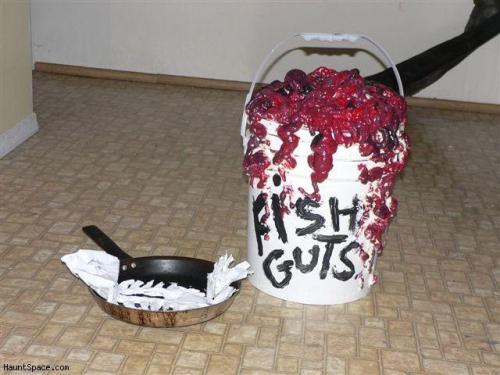
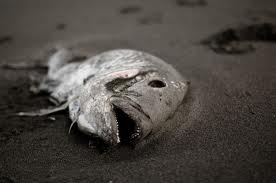
1. The so-called liquamen is made in this manner: the intestines of fish are thrown into a vessel and salted. Small fish, either the best smelt, or small mullets, or sprats, or wolffish, or whatever is deemed to be small, are all salted together and, shaken frequently, are fermented in the sun. 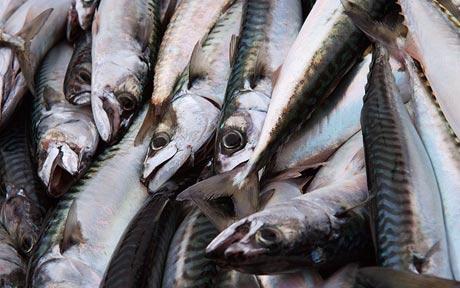
2. After it has been reduced in the heat, garum is obtained from it in this way: a large, strong basket is placed into the vessel of the aforementioned fish, and the garum streams into the basket. In this way, the so-called liquamen is strained through the basket when it is taken up. The remaining refuse is alex.
3. The Bythinians prepare it in this manner: it is best if you take small or large sprats, but if not, wolffish, or horse-mackerel, or mackerel, or even alica, and a mixture of all, and throw these into a baker's kneading trough, in which they are accustomed to knead meal. Tossing into the modius of fish two Italian sextarii of salt, mix up thoroughly in order to strengthen it with salt. After leaving it alone for one night throw it into a vessel and place it without a lid in the sun for two or three months, agitating it with a shaft at intervals. Next take it, cover it, and store it away.

4. Some add to one sextarius of fish, two sextarii of old wine.
5. Next, if you wish to use the garum immediately, that is to say not ferment it in the sun, but to boil it, you do it this way. When the brine has been tested, so that an egg having been thrown in floats (if it sinks, it is not sufficiently salty), and throwing the fish into the brine in a newly-made earthenware pot and adding in some oregano, you place it on a sufficient fire until it is boiled, that is until it begins to reduce a little. Some throw in boiled down must. Next, throwing the cooled liquid into a filter you toss it a second and third time through the filter until it turns out clear. After having covered it, store it away.
6. The best garum, the so-called haimation, is made in this way: he intestines of tunny along with the gills, juice and blood are taken and sufficient salt is sprinkled on. After having left it alone in the vessel for two month at most, pierce the vessel and the garum, called haimation, is withdrawn.
Please add your comments in the comment section. Do you want to try it?!